Heart of the Beast
Brad Pitt ends up a supporting player in his own survival thriller. Odin, a scarred combat dog played by four German Shepherds, steals the movie, even when the script can't earn its emotion.

Now, before anything else, a confession. The first thing I do when I watch a movie with a dog in it is google whether the dog dies. Every single time. Then I can watch it freely. It doesn’t matter what happens to Brad Pitt at this point, I just need to know the dog’s okay. So I did my googling, I got my answer, and I’m keeping it to myself, because that’s something you’re better off discovering on screen. But if you’re anything like me, and I know plenty of you are, you know exactly what to do before you press play.
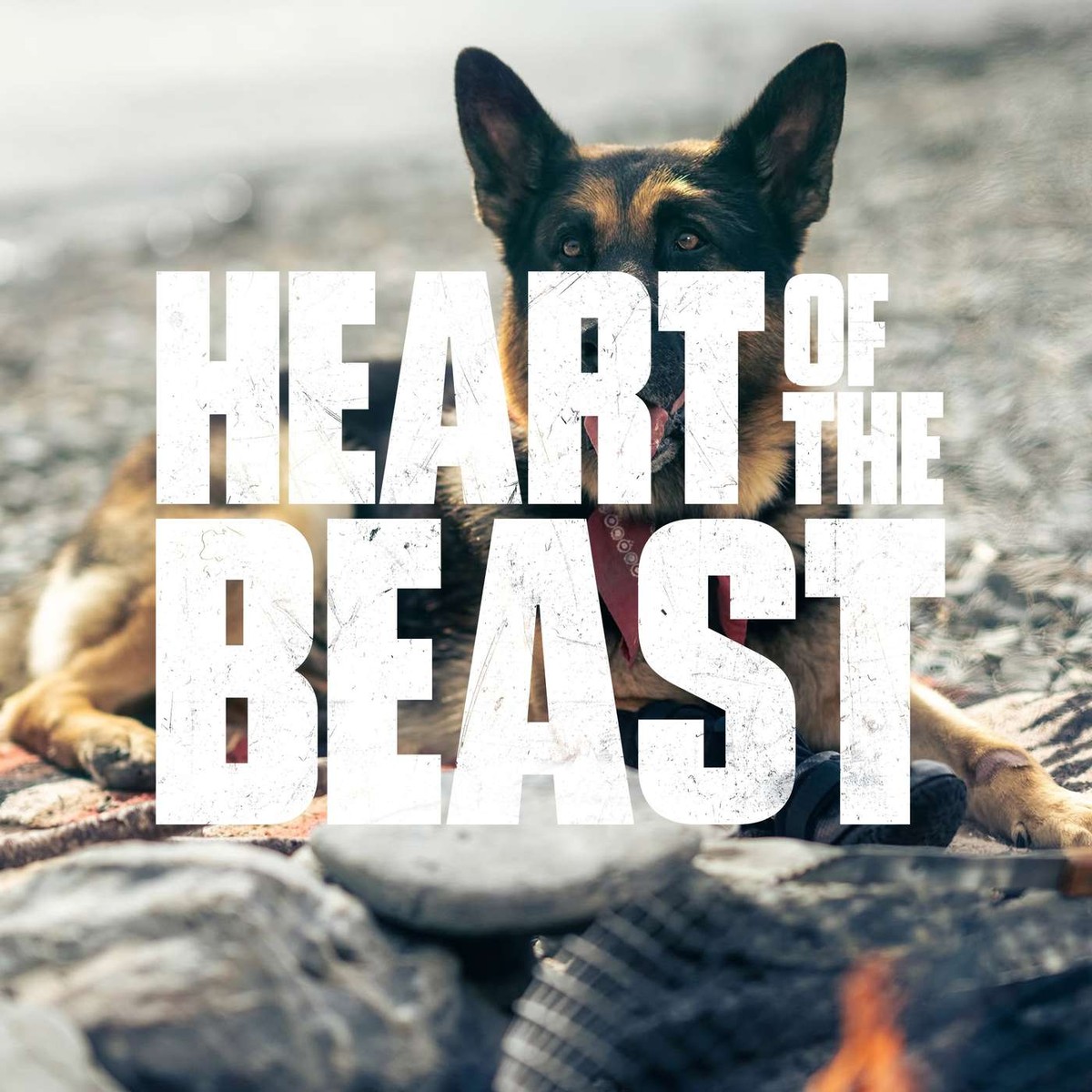
There’s a bit of background worth knowing before I get into what I thought. Heart of the Beast is a survival thriller from David Ayer, and it marks his first time working with Brad Pitt since Fury back in 2014: the tank movie, and still one of the strongest things either of them has been part of. The script comes from Cameron Alexander, and it arrives with a bit of pedigree. It made the 2017 Black List, which is the annual rundown of the most liked unproduced screenplays floating around Hollywood. Paramount put it out in September. Pitt plays James Belmont, a retired Army Special Forces officer who flies into the Alaskan bush for a quiet camping trip with Odin, his retired combat dog. And Odin is quite something. He’s a German Shepherd who wears the war on his body: a scarred snout, metal replacements for the teeth he lost, and a prosthetic front leg. Both man and dog carry the physical and psychological scars of their shared service in Iraq and Afghanistan, and both of them are still haunted by nightmares from it. And I’ll put my cards on the table right here at the top. This one is a mixed bag for me. There’s a version of this movie I really wanted, and every so often it flickers onto the screen, but it kept slipping through the film’s fingers. We’ll get to why.
A Man, a Dog, and 60 Miles of Wilderness
First, the setup. Out in the woods, James crosses paths with Watkins, an outgoing stranger played by J.K. Simmons, who pitches camp next to him. The two of them talk into the night, and the next morning Watkins moves on, leaving James a book with a particular passage marked. It’s a lovely little stretch of the movie, and Simmons could make a phone book feel warm. If you’ve somehow never seen Whiplash, fix that this weekend, because it’s the same actor operating at the complete opposite end of his range. Then James and Odin fly out, and mid-flight, James has a heart attack. The plane goes down in the water. Odin is thrown clear, and James finds him nearby, weak but alive. He salvages what he can from the wreckage, and once Odin has recovered enough, the pair set off on foot with nearly 60 miles of wilderness between them and anything resembling civilisation. From there the trek becomes a gauntlet: a grizzly bear, a rickety wooden bridge that sends James into the rapids below and snaps his arm, and eventually a wolf pack that decides the two of them look like easier work than the moose calf it was hunting. On paper, that is absolutely my kind of movie.
Four Dogs, One Star
So here’s the first thing that struck me, and it’s the thing I keep coming back to. Brad Pitt ends up as a secondary character in his own movie. I’m not even sure the film knows it happened. The real star is Odin, and Odin isn’t one dog at all. Four German Shepherds share the role. Uber, Seeka, Ryker and Hondo, with Uber carrying most of the performance, and Uber’s own puppies stepping in as young Odin in the flashbacks. Between them, they steal the movie outright. There’s a whole language of performance happening in that dog: the way he checks back over his shoulder for James, the way his body drops when things go wrong. And none of it is a computer effect. That matters. Compare it to The Call of the Wild from a few years back, where a fully digital dog kept reminding you that nothing on screen was real. Here, when Odin plants his feet, something in your gut plants with him. And if this corner of the genre is your thing, let me point you at Dog, the 2022 Channing Tatum film: an Army Ranger and a combat Malinois, both carrying damage from the same wars, learning to exist around each other. It’s a smaller movie than this one, and honestly, it earns its emotion more honestly. I’d also throw Togo at you, the Willem Dafoe sled dog picture that quietly became one of the best dog movies of its decade without anyone making a fuss about it.
Coming in second, behind the dogs, is the landscape. Mauro Fiore shot this, the man who won an Oscar for Avatar. And here’s a fun bit of connective tissue: he was also the cinematographer on Training Day, which David Ayer wrote, so these two go way back. Every frame of the wilderness looks stunning, and the film sells all of it as Alaska. But being a Kiwi myself, I picked it almost straight away. Kiwis are quick to spot their own country when a movie tries to pass it off as somewhere else, because there’s no other country in the world that looks like New Zealand. Sit a Kiwi in front of a film and we can tell you instantly where it was shot. I’m a South Islander, so I recognised those ranges and that terrain immediately, and sure enough: Queenstown, Lake Wakatipu, and Mount Aspiring National Park, all on the South Island. And look, movies have been doing this for years. Vertical Limit turned those same mountains into K2 back in the day, and Peter Jackson turned the whole country into Middle-earth. New Zealand has always been the world’s great stand-in, so watching my own backyard play Alaska was less of a distraction and more of a little private game running alongside the movie.
Where It Stumbles
But now we have to talk about where Heart of the Beast stumbles, because it stumbles somewhere important. There’s no doubt this film adores dogs, the loyalty, the friendship, the way they anchor our days, and that alone can carry real weight. The problem is that the emotion never feels earned. Scene after scene leans on the bond between James and Odin to win us over, expecting our devotion without doing the work to deserve it. The journey never lands the way it clearly wants to, and too often I felt pushed toward a feeling the film itself wasn’t fully committed to. It’s the difference between a movie that moves you and a movie that keeps tapping you on the shoulder asking if you’re moved yet. The flashbacks are where this shows most. The film hands them the entire job of telling the backstory and supplying the feeling, and all that does is expose how thin everything around them is. And they’re unpleasant to look at, washed in that yellow filter over the combat scenes, in 2026, no less. We retired that trick years ago, or at least I thought we had. Every time one arrives, it drags you straight out of the movie. On top of that, there’s a faint streak of military propaganda running underneath it all, which the film expects us to swallow without a second thought, purely because a man loves his dog enough to follow him into the unknown. That’s a bit lazy. A survival story about a man and his dog, without the extra baggage, would have been enough on its own. If you want proof that this genre can earn every ounce of its sadness, The Grey is right there. Liam Neeson, wolves, grief, and not a single moment where the film begs you to feel something it hasn’t built.
So where does that leave us? A gorgeous-looking survival thriller with a dog performance for the ages, wrapped around a script that doesn’t trust its own simplicity. Pitt is perfectly solid, Simmons is a warm little gift in the margins, and Fiore makes my homeland look magnificent. But the heart of this thing beats on four legs, and the film never quite figures out how to match it.
That’s simply how it landed for me, and this is the part where I remind you that movies are subjective. What left me cold might hit you square in the chest. And honestly, if you’ve ever shared your life with a dog, this one might wreck you in all the ways it couldn’t wreck me. That’s completely okay. That’s the whole point of the conversation. Go watch it, make up your own mind, and come tell me where you landed.
Rated OCT 2026LISTEN TO THIS EPISODE
Follow Frame 70 on your favourite podcast app and new episodes find you the moment they drop.