Evita
Alan Parker's sung-through epic never decides whether Eva Perón meant every word or was playing the role of her life, and that contradiction is exactly why it still soars.

Evita, Alan Parker’s 1996 musical drama starring Madonna, Jonathan Pryce and Antonio Banderas, arrives with quite a pedigree behind it. It’s based on the Andrew Lloyd Webber and Tim Rice stage musical, which itself grew out of their concept album from the mid-’70s, and by the time it finally reached the screen it had spent the better part of two decades in development. All sorts of names had circled the project over the years, but it landed with Parker, and honestly, I struggle to think of a better fit. This is the man who made Bugsy Malone, Fame, Pink Floyd The Wall and The Commitments. Very few directors have spent as much of their career figuring out how music and cinema fit together, and you can feel that experience in every frame of Evita. Madonna famously campaigned hard for the role, and then backed it up with months of vocal training to handle a score that demands far more range than her pop catalogue ever did. And this is a proper sung-through musical, almost no spoken dialogue at all, everything carried by the music, the same way Webber and Rice built Jesus Christ Superstar. That’s a big swing for a mainstream film, and it shapes everything about how the story is told.
Now, I have a bit of history with this one. I first saw Evita when it came out in the theatres in Christchurch, New Zealand, back in 1997, and I remember being genuinely curious going in, partly to hear Madonna take on this material, and partly because Jonathan Pryce was in it, and I’ve always found him a tremendous character actor. Coming back to it now, what struck me is how well it holds up. This is a film with real scale, enormous crowds, sweeping period detail, that operatic sense of a nation in mourning, and yet it never loses sight of the woman at the centre of it.
A Legend, Watched by a Sceptic
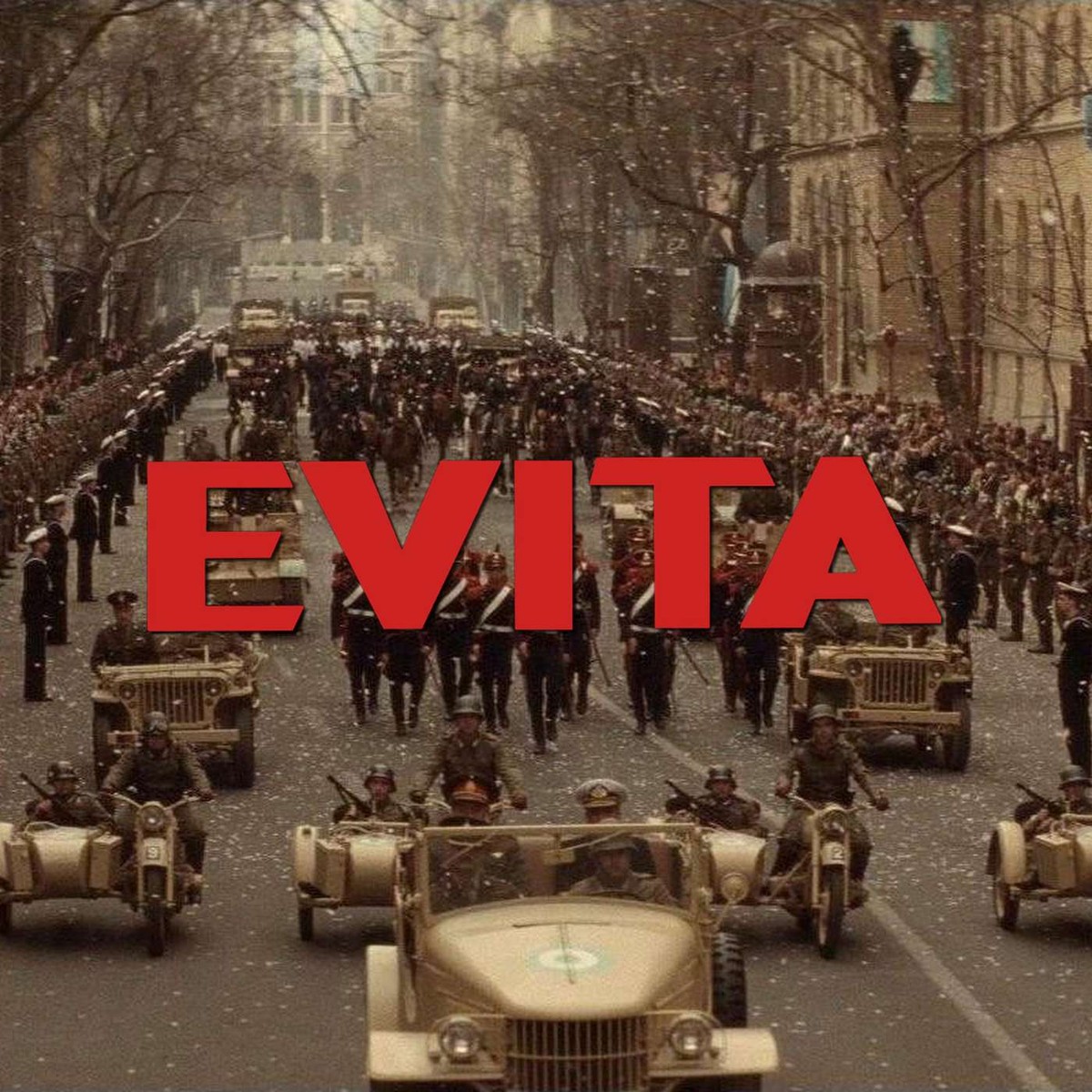
The film opens in a cinema in Buenos Aires on 26 July 1952, where the picture is interrupted by the news that Eva Perón, Argentina’s First Lady, has died at just 33. The nation collapses into public mourning, with a funeral worthy of a head of state, and into all of this steps Antonio Banderas as Ché, a member of the public who watches the spectacle with a raised eyebrow and promises to show us how this legend was really built, launching into “Oh What a Circus”. It’s a brilliant framing device. Ché isn’t quite a character and isn’t quite a narrator. He’s the film’s conscience, drifting through scenes as a waiter, a journalist, a protester, always watching, always questioning. And Banderas is a revelation in the role. This was a couple of years before The Mask of Zorro made him a full-blown Hollywood leading man, and I’d argue this is still one of his very best performances. He sings with real power, he moves through the film with this wry, dangerous energy, and he gives the audience permission to admire Eva and doubt her at the same time.
From there we flash back to Eva’s childhood, and the film wastes no time showing us the wound that drives her. As the illegitimate family of a locally prominent man, Eva’s mother and her children are barred from his funeral by the official widow, and young Eva is physically carried out of the church after running to her father’s coffin. It’s a short sequence, but it explains everything that follows. At 15, she’s in the provincial town of Junín, attaching herself to a touring tango singer named Agustín Magaldi, played, in a lovely bit of casting, by Jimmy Nail, who British viewers will know from Auf Wiedersehen, Pet, and she essentially strong-arms him into taking her to Buenos Aires. Once she’s in the city, the film kicks into one of its best numbers, “Buenos Aires”, and Madonna absolutely owns it. Magaldi abandons her, and she works her way up through a series of increasingly influential men, through modelling, acting and radio, until she arrives, polished and glamorous, at a charity concert following the 1944 San Juan earthquake. And that’s where she meets Colonel Juan Perón.
Jonathan Pryce plays Perón with this wonderful stillness. He’s not the showman, she is, and Pryce understands that completely. He plays a man who recognises, almost immediately, that this woman is the missing piece of his political machine, and there’s a fascinating ambiguity in whether what grows between them is love, ambition, or some inseparable blend of the two. Their alliance is sealed quickly. Eva evicts his very young mistress from his home without a flicker of hesitation, which is one of the film’s coldest and most telling moments, and from there she throws everything she has into promoting him. Her radio work, her charisma, her connection with the working class: it all becomes fuel for his rise, and it earns her the scorn of the military establishment and the aristocracy alike. When the government jails Perón to blunt his momentum, it’s the groundswell Eva generates that forces his release, and he comes back to find the people in love not just with him, but with “Evita”.
The Balcony and the Contradiction
And then comes the balcony. Perón wins the presidency, marries Eva, and she steps out before the crowd to promise that the new government belongs to the descamisados, the shirtless ones, and sings “Don’t Cry for Me Argentina”. Parker got permission to shoot on the actual balcony of the Casa Rosada, and that decision pays off enormously. There’s a weight to the image you simply couldn’t fake on a soundstage. Madonna is superb here. Whatever doubts anyone had about the casting, and there were plenty at the time, this sequence answers them. She finds the exact intersection of sincerity and performance that makes Eva so fascinating, because you’re never entirely sure whether Eva means every word or is delivering the greatest role of her career. The film’s smartest trick is suggesting the answer might be both.
The back half follows Eva as First Lady: the glamour, and the famous Rainbow Tour of Europe with its very mixed reception, where Franco’s Spain adores her, Italy jeers her, and Pope Pius XII offers her a rather pointed, meagre gift. She establishes her foundation for the poor while the film quietly suggests the Perónists are helping themselves to the treasury, and the “Santa Evita” sequence shows the near-religious devotion she inspired even as the oligarchs despised her. The film never resolves the argument about who Eva Perón really was, saint, opportunist, champion or manipulator, and that’s precisely why it works. It puts Ché’s scepticism and the crowd’s adoration side by side and lets you sit with the contradiction. And then her health begins to fail. She’s diagnosed with terminal cancer, declines the vice presidency, and makes one final broadcast to the nation, reflecting that a life this bright was always going to burn briefly. Pryce is quietly devastating in these scenes, with Perón tenderly caring for her and preparing to go on alone, and the image of the candlelight vigil outside the palace, and the light in her room going out, is one of the most elegant pieces of visual storytelling in the whole film.
The Strange Afterlife of Eva Perón
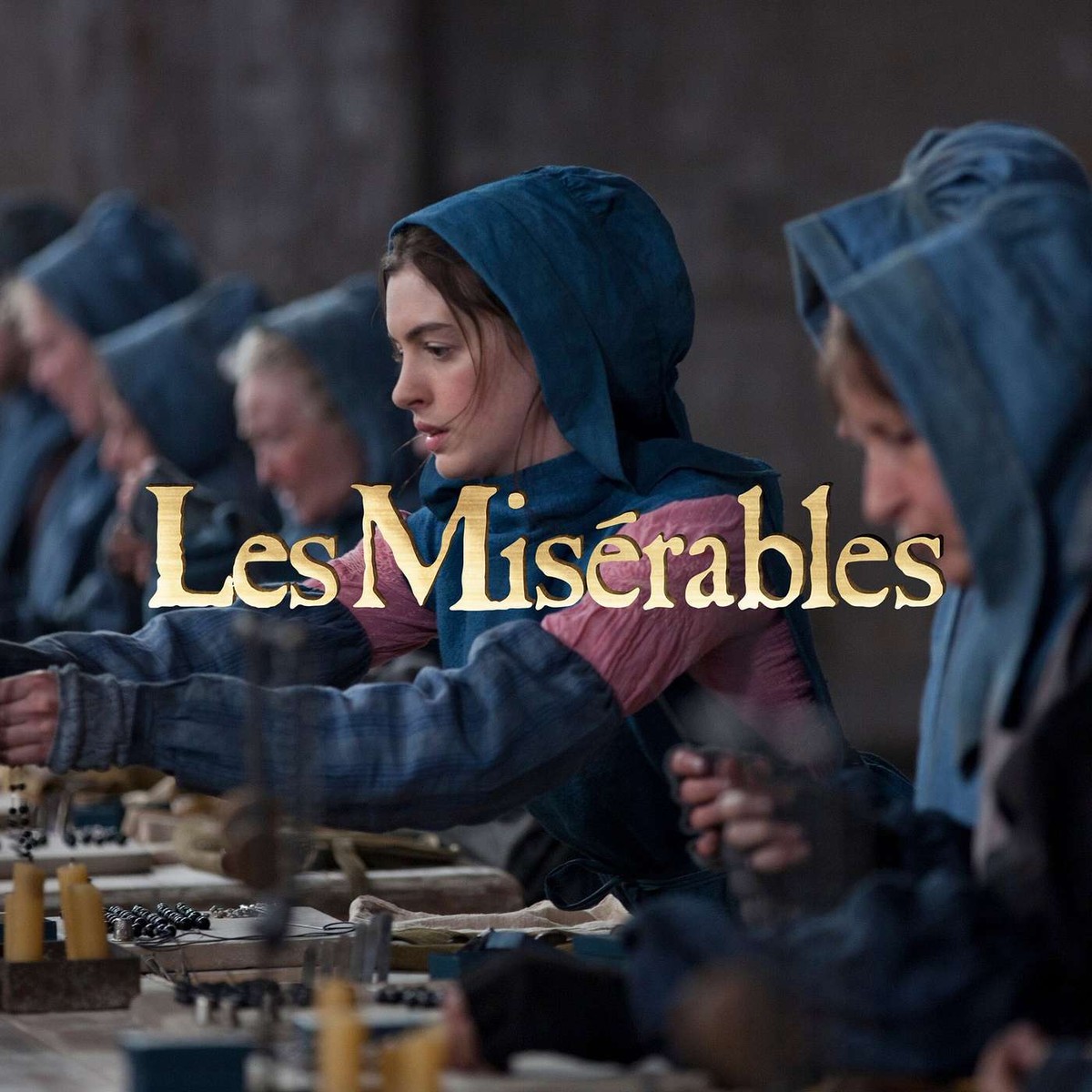
There’s also a postscript the film doesn’t cover, and it’s almost stranger than anything on screen. After the military coup in 1955, Eva’s embalmed body was taken and hidden for around 16 years, buried under a false name in a crypt in Milan, before being returned to Perón in Spain in 1971, brought back to Argentina in 1974, and finally laid to rest in the Duarte family tomb in Recoleta Cemetery in 1976. Even in death, Eva Perón was too powerful a symbol for anyone to leave alone. If the film sparks your curiosity, that real history is a genuine rabbit hole worth falling down. And if it’s the sung-through style that grabs you, the 1973 film of Jesus Christ Superstar is the natural companion piece, while the 2012 Les Misérables shows a modern take on the same idea. For more Alan Parker, The Commitments remains one of the warmest music films ever made, and for more Pryce, seek out Brazil or, more recently, The Two Popes. The man has never given a lazy performance in his life.
Rated NOV 2026LISTEN TO THIS EPISODE
Follow Frame 70 on your favourite podcast app and new episodes find you the moment they drop.